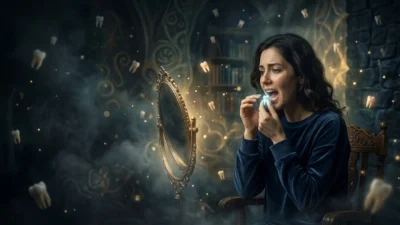

Waking up frightened, sweating, or with your heart racing can make a nightmare feel incredibly real. You may immediately wonder why your mind created such a disturbing experience.
The nightmare dream meaning is often connected with fear, stress, anxiety, unresolved emotions, major life changes, or situations that make you feel powerless.
However, nightmares are not always negative signs. Sometimes they bring hidden emotions into awareness so you can understand what is troubling you and begin to deal with it.
The details matter. A nightmare about being chased may mean something different from a nightmare about falling, dying, being attacked, or watching someone you love disappear.
Quick Answer: What Does a Nightmare Mean in a Dream?
A nightmare often symbolizes fear, anxiety, emotional pressure, unresolved conflict, insecurity, or a situation in waking life that feels overwhelming or threatening.
Your subconscious may use frightening images to express emotions that you have not fully processed while awake.
A nightmare can also appear during periods of change. Moving, relationship problems, work pressure, grief, uncertainty, or major decisions can all influence dream content.
The most important clue is often the feeling behind the nightmare rather than the frightening image itself.
Nightmare Dream Symbolism
Nightmares are powerful symbols because they exaggerate emotions.
Your mind may turn an ordinary concern into a dramatic dream because dreams communicate through images, sensations, and stories.
Common nightmare symbolism includes:
- Fear: Something in your life feels threatening or uncertain.
- Anxiety: Your mind is processing ongoing worries.
- Loss of control: You may feel powerless in a situation.
- Avoidance: You may be avoiding a difficult issue.
- Emotional overload: Too many responsibilities may be overwhelming you.
- Change: A major transition may be creating uncertainty.
- Insecurity: You may be questioning yourself or your abilities.
- Unresolved emotions: Past experiences may still affect you.
- Warning: The dream may encourage you to pay attention to a problem.
- Transformation: Facing fear can represent personal growth.
A nightmare does not necessarily predict something bad. Often, it reflects something that is already happening emotionally.
Spiritual Meaning of Nightmares
The spiritual meaning of nightmares varies depending on personal beliefs.
Some people view frightening dreams as reminders to examine their thoughts, emotions, relationships, and spiritual life.
A nightmare may encourage you to slow down and notice what has been disturbing your peace.
From a spiritual perspective, the dream may symbolize an inner battle between fear and faith, uncertainty and trust, or confusion and clarity.
It can also represent a period of personal transformation. When you are changing emotionally or spiritually, old fears may surface before they lose their power.
A nightmare should not automatically be interpreted as a supernatural warning. Sometimes the most meaningful spiritual response is simply to reflect, pray, seek peace, and consider what your emotions are trying to communicate.
Psychological Interpretation of Nightmares
Psychologically, nightmares can be associated with stress, anxiety, emotional processing, frightening experiences, and unresolved concerns.
The brain continues processing emotions during sleep. A stressful day can therefore become a frightening dream at night.
For example, if you are worried about losing your job, your nightmare might involve falling from a building.
If you are experiencing relationship uncertainty, you might dream about being abandoned or chased.
The dream image may be symbolic, while the emotion is very real.
Your subconscious may essentially be asking you to pay attention to something that you have been pushing aside.
Dreaming About One Nightmare
A single nightmare may reflect a temporary period of stress.
Perhaps something happened recently that made you anxious, embarrassed, angry, or afraid.
Your mind may replay the emotional experience during sleep even if you did not consciously think about it before going to bed.
If the nightmare happened only once, it may not have a deep symbolic meaning. Sometimes the brain simply produces unusual dream content.
Still, ask yourself what was happening in your life around the time of the dream.
Dreaming About Many Nightmares
Having multiple nightmares in one night or experiencing repeated nightmares can symbolize emotional overload.
You may feel as though one problem ends and another immediately begins.
This type of dream pattern can occur when your mind is struggling to relax.
The nightmare may represent several fears rather than one specific issue.
Pay attention to recurring themes. If every nightmare involves danger, escape, failure, or loss, the common emotion may be more important than the individual stories.
Dreaming About a Nightmare Baby
A frightening baby in a dream can represent something new that feels vulnerable or uncertain.
The baby may symbolize a new relationship, responsibility, project, idea, or phase of life.
If the baby appears threatening, you may feel that a new situation is becoming more difficult than expected.
The dream could also represent fear about caring for something that depends on you.
Rather than interpreting the baby literally, ask yourself what new responsibility has recently entered your life.
Dreaming About a Dead Person in a Nightmare
Dreaming about someone who has died can be emotionally intense, especially when the dream feels frightening.
Death in dream interpretation often symbolizes endings, transformation, memory, or unresolved grief rather than literal death.
If the person was someone you knew, the dream may reflect your memories or feelings connected with them.
The frightening quality could indicate that you are struggling with loss, change, regret, or something from the past.
The dream does not mean that another death is coming.
Nightmare About Being Attacked
Dreaming that you are being attacked commonly symbolizes vulnerability, conflict, fear, or feeling emotionally threatened.
The attacker may represent a person, situation, responsibility, or even an internal fear.
If you recognize the attacker, think about how you feel around that person in waking life.
If the attacker is a stranger, they may represent an unknown problem or a part of yourself that you do not fully understand.
An attack nightmare can also appear when you feel criticized or powerless.
Nightmare About Being Chased
Being chased is one of the most common nightmare themes.
It often symbolizes avoidance.
Something may be demanding your attention, but you may not feel ready to face it.
The person or creature chasing you can provide additional clues.
For example, being chased by a boss might reflect work pressure, while being chased by an unknown figure may represent generalized anxiety.
Instead of asking, “What is chasing me?” ask, “What am I avoiding in my waking life?”
Nightmare About Holding Something
Holding something frightening in a dream may symbolize trying to control or understand a difficult situation.
You may be carrying an emotional burden that you have not released.
If you were holding a frightening object but remained calm, the dream could represent growing confidence.
If you were terrified while holding it, you may feel trapped by a responsibility.
The object itself may also provide clues about what the nightmare represents.
Nightmare About a Friendly Person or Creature
Not every nightmare character is actually hostile.
Sometimes a frightening-looking person or creature may behave peacefully.
This can symbolize a fear that is becoming less threatening.
Your subconscious may be showing you that something you once feared can be understood or accepted.
A friendly monster, for example, could represent an unfamiliar part of yourself that you are learning to embrace.
The contrast between appearance and behavior is especially important.
Common Nightmare Themes and Their Meanings
Different nightmare scenarios often reflect different emotional concerns.
Falling
Falling may symbolize insecurity, loss of control, failure, or uncertainty about the future.
Dying
Dreaming about death can represent transformation, endings, or fear of change rather than literal death.
Being Trapped
A trapped nightmare may indicate that you feel stuck in a relationship, job, habit, or difficult situation.
Losing Someone
This can represent fear of separation, emotional insecurity, grief, or concern about change.
Being Naked in Public
This may symbolize vulnerability, embarrassment, fear of exposure, or concern about being judged.
Natural Disasters
Earthquakes, floods, storms, and other disasters may symbolize emotional chaos or circumstances that feel beyond your control.
Positive vs Negative Nightmare Meanings
| Positive Meaning | Negative Meaning |
|---|---|
| Facing fears | Anxiety |
| Personal growth | Emotional overwhelm |
| Increased self-awareness | Feeling powerless |
| Emotional release | Unresolved conflict |
| Transformation | Fear of change |
| Recognizing problems | Avoidance |
| Greater resilience | Stress and insecurity |
Even frightening dreams can have a positive purpose. A nightmare may reveal a problem that you can address before it becomes more difficult.
Cultural Meaning of Nightmares
Different cultures have interpreted nightmares in many ways throughout history.
Some traditions view frightening dreams as warnings, while others understand them as emotional or spiritual experiences.
Cultural beliefs can influence how you interpret your own nightmare.
For example, if your culture strongly associates certain animals, places, or events with spiritual symbolism, those meanings may naturally appear in your dream interpretation.
However, there is no single interpretation that applies to everyone.
Your personal experiences are often more important than a universal dream symbol.
Biblical Meaning of Nightmares
The Bible contains several accounts involving dreams, visions, fear, warnings, and spiritual experiences.
However, there is no universal biblical dream dictionary that assigns one meaning to every nightmare.
From a Christian perspective, a nightmare may encourage you to reflect on fear, faith, wisdom, temptation, uncertainty, and the desire for peace.
Some people may respond through prayer or Scripture reflection when a frightening dream leaves them unsettled.
At the same time, not every nightmare should be treated as a divine message. Dreams can also arise from stress, memories, emotions, and everyday experiences.
A balanced interpretation considers both your spiritual beliefs and your emotional circumstances.
What Is Your Nightmare Trying to Tell You?
A nightmare may be highlighting something that needs your attention.
Your subconscious message could be related to:
- A fear you have been avoiding.
- A stressful relationship.
- Pressure at work or school.
- Fear of losing control.
- Uncertainty about the future.
- An unresolved emotional experience.
- A major life transition.
- Feelings of insecurity.
- A need for stronger boundaries.
- Emotional exhaustion.
Instead of focusing only on the frightening image, identify the emotion that remained after waking.
Were you afraid, helpless, angry, ashamed, trapped, lonely, or confused?
That emotion may be the key to the dream interpretation.
Why Do I Keep Having the Same Nightmare?
Recurring nightmares deserve special attention because repetition can indicate that the underlying emotion has not been resolved.
Your subconscious may repeatedly recreate the same scenario because the emotional issue remains active.
For example, recurring dreams about being chased may reflect ongoing avoidance.
Recurring dreams about falling may reflect persistent insecurity.
Recurring dreams about losing someone may reflect attachment or fear of change.
Keeping a dream journal can help you identify what changes when the nightmare appears and what happens in your waking life around that time.
How to Stop or Reduce Recurring Nightmares
Understanding a nightmare can sometimes reduce its emotional impact.
Try these approaches:
- Keep a dream journal beside your bed.
- Write down the nightmare immediately after waking.
- Identify the strongest emotion.
- Think about recent sources of stress.
- Create a calming bedtime routine.
- Avoid stimulating or frightening content before sleep.
- Practice relaxation or slow breathing before bed.
- Remind yourself that a dream cannot physically harm you.
- Rewrite the nightmare with a safer ending while awake.
- Talk with someone you trust if the dreams are becoming distressing.
If nightmares are frequent, severely disrupting sleep, or connected with a traumatic experience, discussing them with a qualified mental health professional may be helpful.
Tips for Interpreting a Nightmare
Good dream interpretation is personal rather than automatic.
Use these questions to explore your nightmare:
- What happened first? The beginning may reveal the source of the emotional tension.
- What frightened you most? This can identify the central symbol.
- Who was present? People may represent relationships or emotions.
- Where were you? The setting can connect the dream to a particular area of life.
- How did you escape or respond? Your reaction can reveal your coping style.
- How did the dream end? The ending may suggest whether you feel hopeful or powerless.
- What is happening in your life now? Current events often provide the strongest context.
Do not assume that every nightmare predicts the future.
Instead, treat it as an opportunity for self-reflection.
Final Thoughts on Nightmare Dream Meaning
The nightmare dream meaning is usually connected with emotions rather than predictions.
Fear, anxiety, stress, insecurity, unresolved conflict, and major changes can all appear as frightening dream scenarios.
A nightmare may feel negative, but it can also serve a useful purpose by bringing hidden emotions into your awareness.
Look beyond the frightening image and ask what the dream made you feel.
When you understand the emotion underneath the nightmare, the dream can become less frightening and more meaningful.
FAQs About Nightmare Dream Meaning
1. What does a nightmare mean spiritually?
A nightmare may spiritually symbolize fear, inner conflict, uncertainty, personal transformation, or the need to seek greater peace. Its spiritual meaning depends on your beliefs and personal circumstances.
2. What does it mean when you have the same nightmare repeatedly?
Recurring nightmares may reflect unresolved stress, anxiety, fear, or an emotional situation that continues to affect you. The repeated theme can provide clues about the underlying issue.
3. Are nightmares a warning?
Sometimes a nightmare may encourage you to pay attention to something concerning in your life, but it does not automatically predict future events. Many nightmares are related to stress, emotions, and memories.
4. What does being chased in a nightmare mean?
Being chased commonly symbolizes avoidance. You may be trying to escape a difficult decision, responsibility, relationship problem, fear, or emotional issue in waking life.
5. What does being attacked in a nightmare mean?
An attack nightmare can symbolize vulnerability, conflict, criticism, fear, or feeling threatened by a situation. The identity of the attacker and your emotions can provide additional clues.
6. Can nightmares have a positive meaning?
Yes. A nightmare can reveal hidden fears, encourage self-awareness, help process emotions, and motivate you to confront problems. Understanding the dream may turn a frightening experience into an opportunity for growth.